
Expanding Cross‑Cultural Collaboration of Digitally Inclusive, Healthy Ageing Communities (DIHAC) study in Malaysia
Malaysia hosted Digitally Inclusive, Healthy Ageing Communities (DIHAC) Study!
The Digitally Inclusive Healthy Ageing Communities (DIHAC) study is a cross-cultural study being conducted in Japan, Republic of Korea, Singapore and Thailand since 2021, the start of the Healthy Ageing Decade. In 2024, it extended to India. The study has extended to Malaysia and Vietnam in 2025. Currently, it is ongoing in Italy, Belgium, and Nepal.
Recently, the Principle Investigator of the DIHAC study, Associate Professor Myo Nyein Aung visited Kuala Lumpur, Slim River City in Muallim district, and Putrajaya, in Malaysia, to strengthen collaboration on the Digitally Inclusive Healthy Ageing Communities (DIHAC) study initiative. Professor Mohd Rohaizat Hassan, Investigator of DIHAC study in Malaysia, and his team welcomed DIHAC team from Juntendo University, Tokyo, Japan, which consisted of Associate Professor Myo Nyein Aung and Associate Professor Yoshihisa Shirayama, from the Department of Global Health Research, at the Graduate School of Medicine and the Faculty of International Liberal Arts, at Juntendo University in Tokyo.
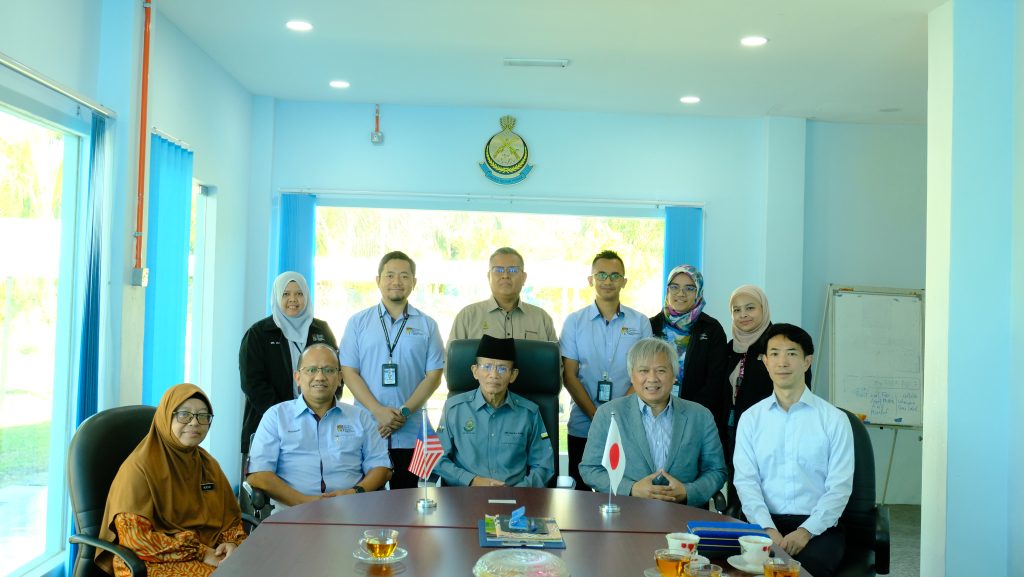
Figure1: A courtesy visit of DIHAC study team, Juntendo University team and UKM team at in Perak Governor’s office at Slim River city, Malaysia
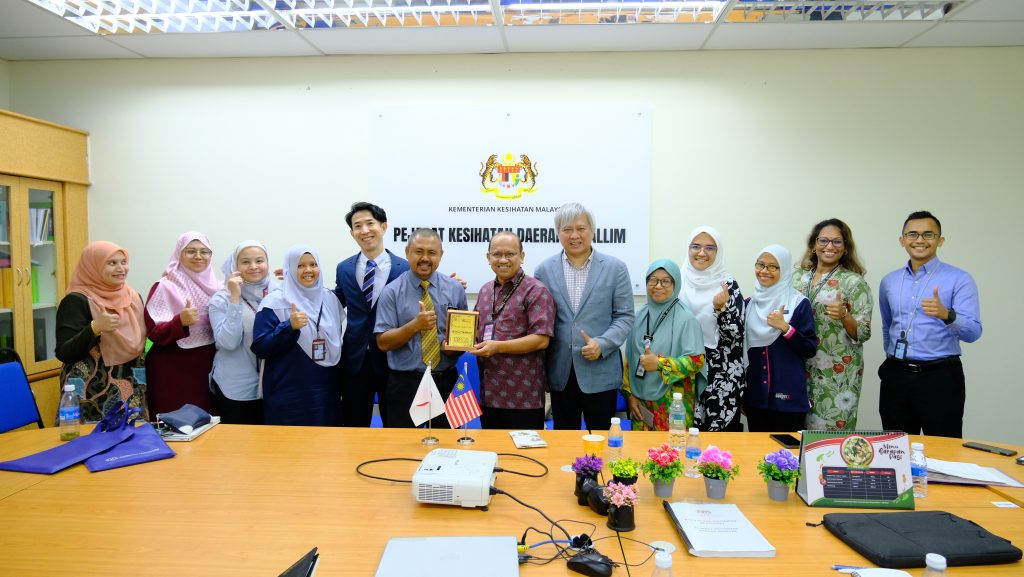
Figure 2: A courtesy visit of DIHAC study team consisting of Juntendo University team and UKM team at District Health Office at Slim River city, Malaysia
District Health Office Chief Dr Mohd Raja Azim and team welcomed DIHAC study teams at Muallim District Health Office. He informed the researchers the diverse healthy ageing activities of the closely knit community. According to him, digital gap among the older persons is still confronting the health transformation at community level. DIHAC Japan and Malaysia teams held discussions with the district health team on preparations for the full-scale implementation of DIHAC study. The meetings focused on operational planning and coordinating for upcoming research activities.
Juntendo University team, UKM team and district health office team visited the senior activity center Pusat Aktiviti Warga Emas (PAWE). They observed the cultural activities and shared meals with PAWE members. DIHAC team elaborated the schedules of PAWE which empower older persons through physical activities, health promotion, positive mind, productivity and supporting each other.
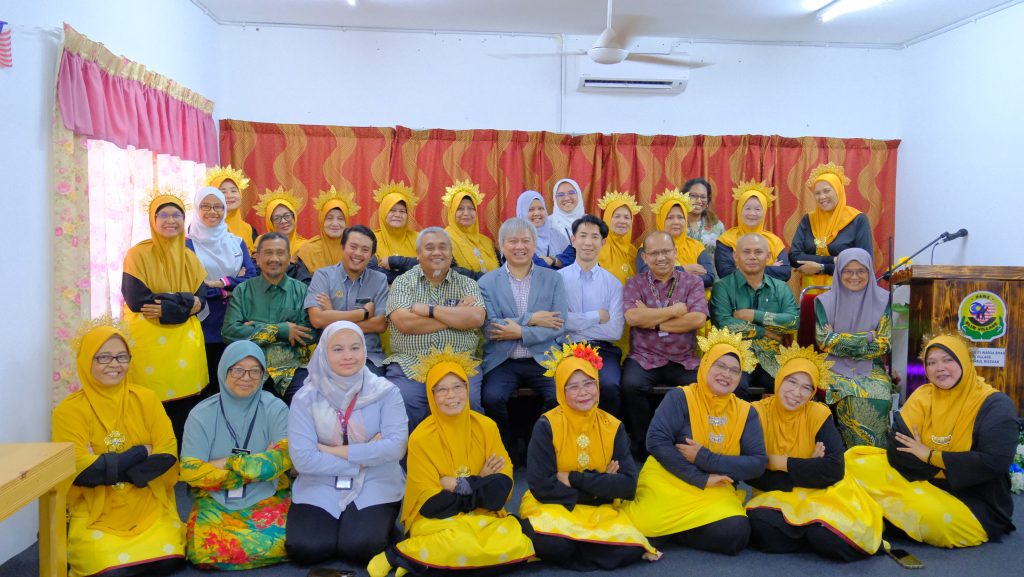
Figure 3: DIHAC study team consisting of Juntendo University team and UKM team together with members of senior activity center (PAWE), Slim River city, Malaysia
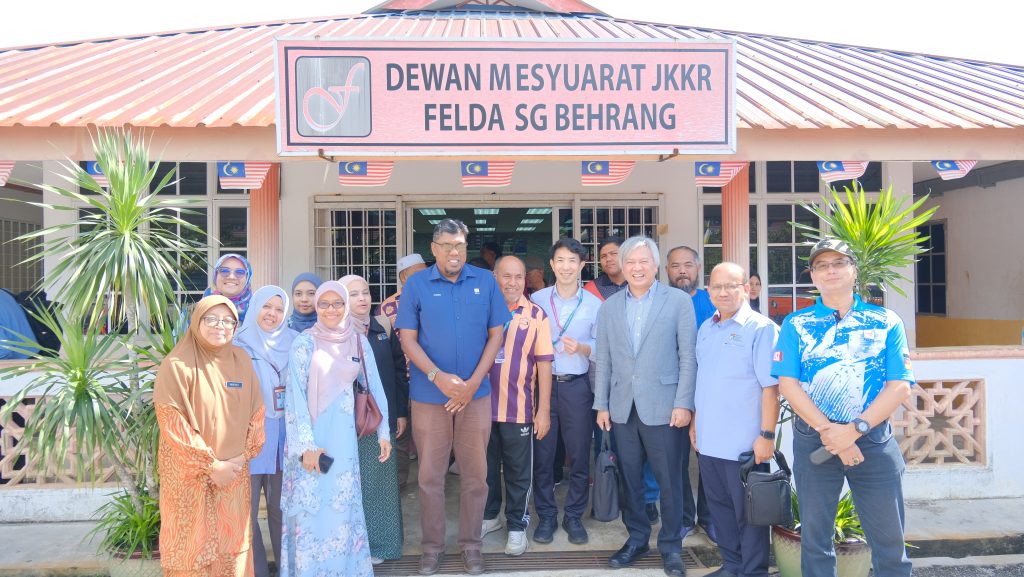
Figure 4: DIHAC study team consisting of Juntendo University team and UKM team, and District Health Office team visiting a FELDA community at Slim River city, Malaysia
Field visits included lifelong learning activities at local Islamic facilities, at the Pondok religious learning center, where they exchanged views on community-based social innovation models for healthy ageing with the chief and team of the Pondok. Furthermore, the teams observed community-based healthy ageing programmes, and volunteer initiatives in FELDA communities. DIHAC teams observed volunteer-based health screening process, and other activities such as reciting prayers in the communities and local cultures of sewing and making batik. The temperatures hit 37′ C during the visit.
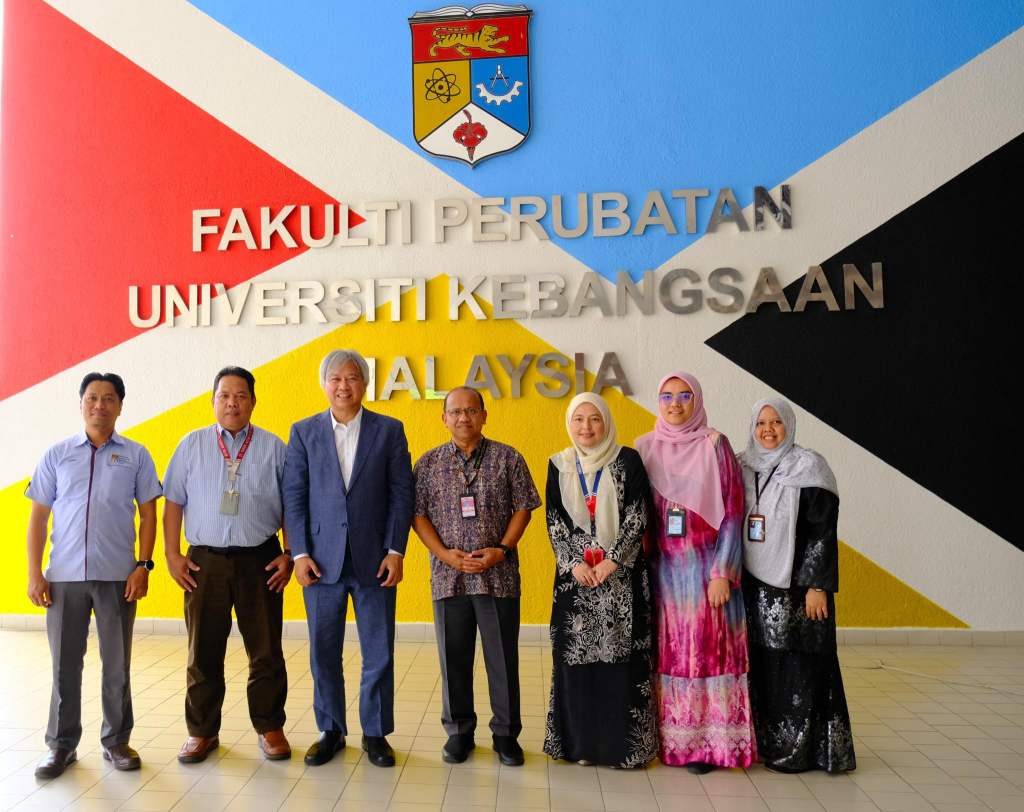
Figure 5: Professor Rohaizat, PI of the DIHAC Malaysia and team at The National University of Malaysia (UKM) and DIHAC study PI Associate Professor Myo Nyein Aung at UKM Kuala Lumpur
The visit on the next day, extended to the National University of Malaysia (UKM), Department of Public Health Medicine, Faculty of Medicine. Faculty members and DIHAC Malaysia teamed welcomed Professor Myo and Professor Shirayama. Professor Rohaizat introduced ongoing activities and shared an overview of the local context. DIHAC Malaysia team actively discussed and updated ongoing research. They co-designed future plans for further steps of DIHAC study in Malaysia.
During his stay in Kuala Lumpur, Dr Myo then visited long-term care facilities in Ampang Ritchie to observe care and assisted living practices served by private sector. He then visited the Malaysia Social Institute to learn about the national training programs for care coordinators.
He also visited the Malaysian Research Institute on Ageing (MyAgeing®), at Universiti Putra Malaysia. The teams exchanged perspectives with researchers on healthy ageing and digital inclusion in Malaysia and the Asia-Pacific region. The teams identified the challenges of Malaysia’s rapidly ageing population and its readiness for long-term care and investment in healthy ageing. They exchanged sharable experiences regarding digital literacy training for older persons in the ASEAN, Japan and the ROK.
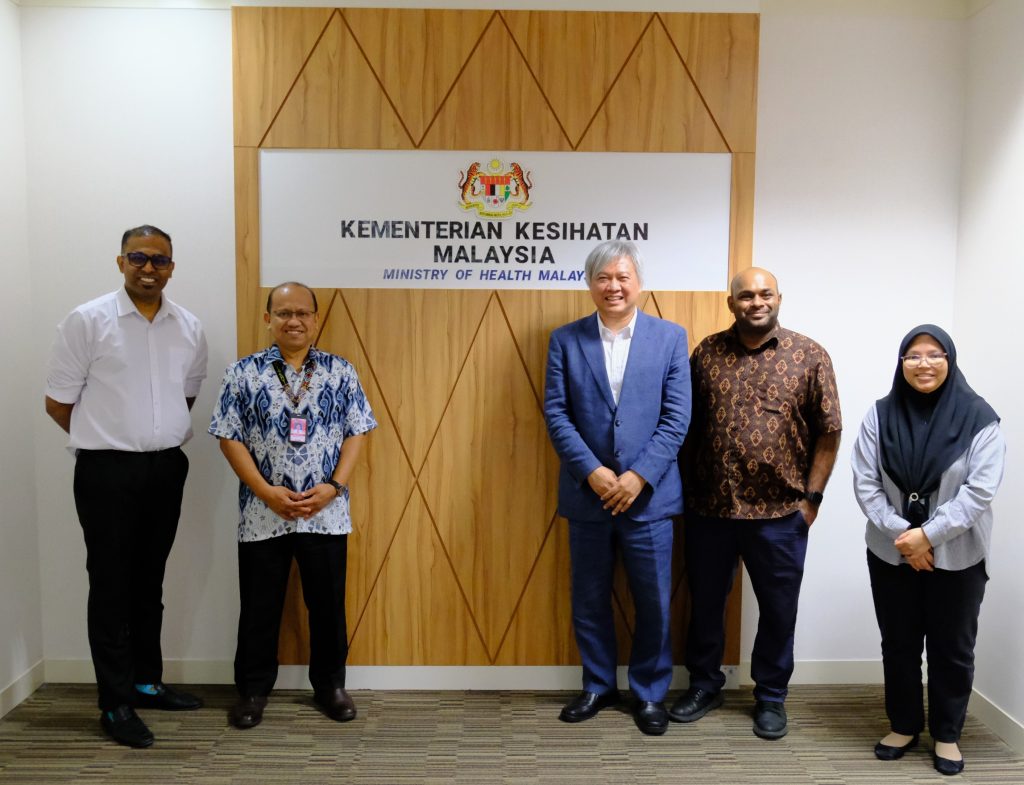
Figure 6: DIHAC study investigators Professor Rohaizat, UKM, Prof Myo Nyein Aung, Juntendo University with executive and digital health officers at the Ministry of Health Malaysia, Putrajaya, Malaysia
The DIHAC study team held a policy-level meeting with Dr Dinash Aravind and Dr Vivek Jason Jayara at the Ministry of Health in Putrajaya on February 13, 2026. (Figure 5) The discussions focused on digital transformation in health, data governance, service delivery, the digital ecosystem and scaling up the new MySejahtera application. The DIHAC team shared experiences from other study site cities and insights on promoting digital inclusion among older adults and strengthening regional collaboration. They advocated for the empowering digital inclusion of older persons to go along with the scaling up of the application to population level and innovation by the Ministry of Health (MOH).
The visit concluded with media engagement TikTok with the National Secretary of Long-Term Care Operations Mr Muntoh Fong. The DIHAC study is expected to assist multi-sectorial, multidisciplinary collaboration for healthy ageing in Malaysia which is expecting very fast population ageing in coming few years.