
Digitally Inclusive Health Ageing Communities (DIHAC) study in Okinawa
Okinawa is globally well-known place for longevity, unique culture and history in Japan. The Digitally Inclusive Healthy Ageing Communities (DIHAC) study team visited Okinawa Prefecture, Japan for research collaboration, observation of healthy ageing programs and the initiation of digital inclusion for older persons. The Okinawa Health Cooperative team welcomed the DIHAC study team from Tokyo, consisting of Associate Professor Myo Nyein Aung , (PI of the DIHAC study), from Juntendo University, Associate Professor Yuka Koyanagi (Co-PI) from Tokyo Ariake University and Community Empowerment Adviser Mr. Yoshioka Takashi, Chairman of the Tokyo Seibu Health Cooperative, Tokyo, Japan.
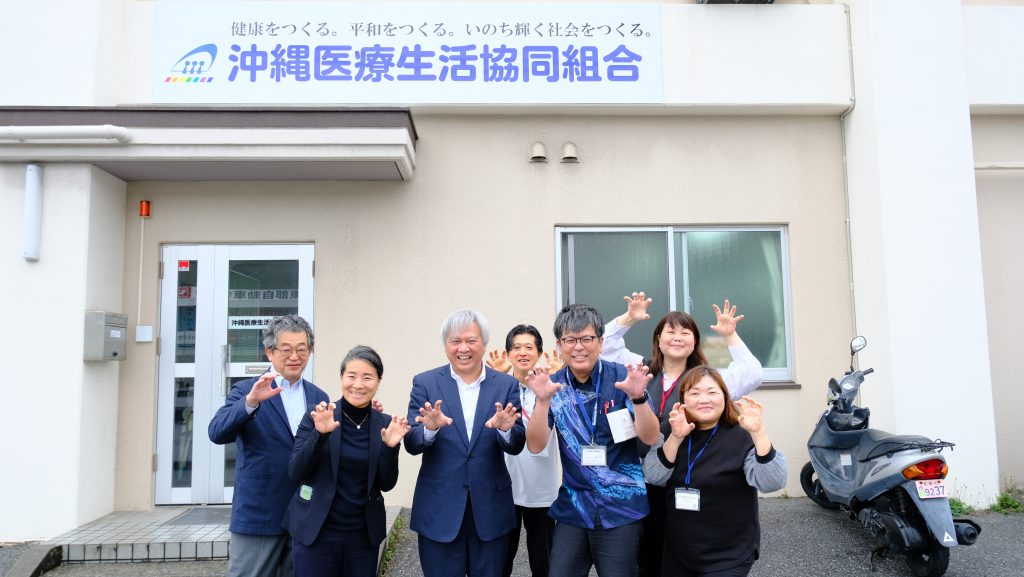
Figure 1: The DIHAC study team and Okinawa Medical Co-op team
The society in Okinawa is vibrant, lively and connected. Everyone can dance original traditional Kachashi once they hear Okinawan folk music. Furthermore, Okinawa is home to diverse group social activities of older persons. There are almost 200 ongoing active group activities supported by Okinawa Co-op. Most of the groups are sustained more than 10 years and the oldest one dated back to 30 years ago. DIHAC study team got chances to observe such diverse group activities promoting healthy ageing across Okinawa and interacted with participants. Asking about the food there, Okinawan natives talked about Shima Dofu, Goya Champuru, sweet potatoes and pork cuisines in addition to the plenty of fish and seaweed. They also explain a social practice called “Moai” in which members shared financial saving in a rotation.
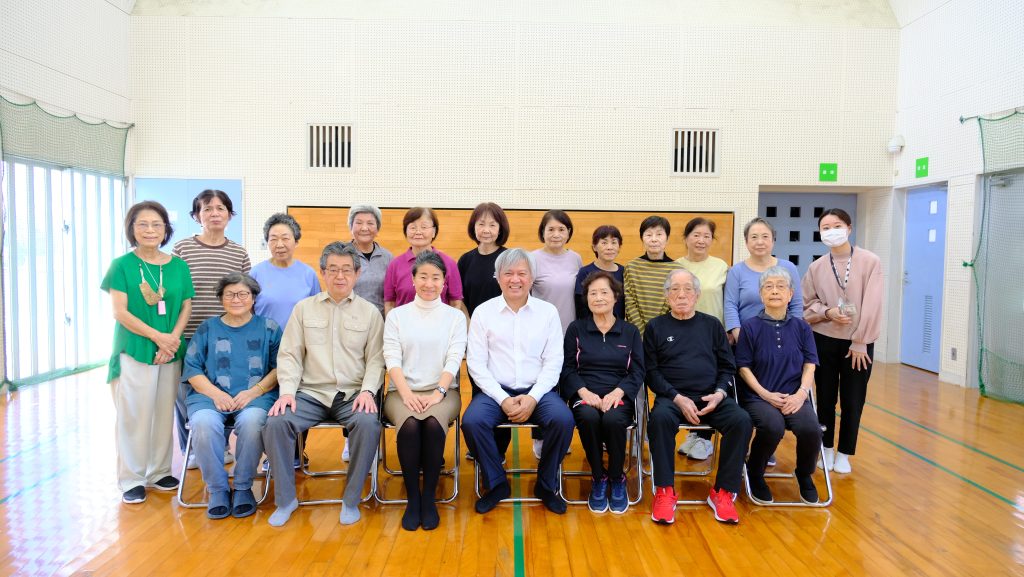
Figure 2: The DIHAC study team at group exercise activity in Okinawa (CC by NC-ND copy righted)
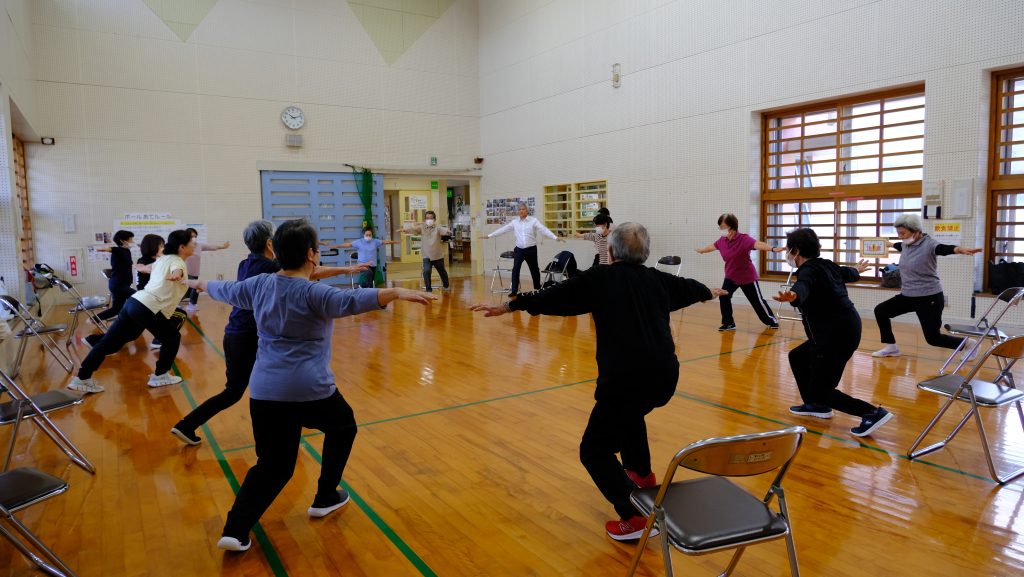
Figure 3: A nice stadium in Okinawa with community members doing exercise together (CC by NC-ND copy righted)
While population in Okinawa seeing dramatic ageing, digital transformation rolled out apace. Recently the grey digital divide is situating as a noticeable gap hindering the older persons in Okinawa difficult to grasp advantages of online services and digital apps. Community in Okinawa and families tried to help their grands to keep abreast of new trends and apps, but those were not enough to bring the older population to be online. A retired schoolteacher Mr. Ikuo Oshiro has idealized, young generation, junior high school students to facilitate the learning of older persons to use smart phone and applications. It turns out to be big events in early February 2026. DIHAC study team met Mr. Ikuo Ohiro and Okinawa Medical co-op team to explore the initiatives. It is a community based social innovation toward healthy ageing and digital inclusion. DIHAC study team discussed with the co-op team, identifying the intergenerational approach initiated by Mr. Oshiro and suggested possible models to scale it up, based on experiences in Japan, ROK, Singapore, Thailand and others.
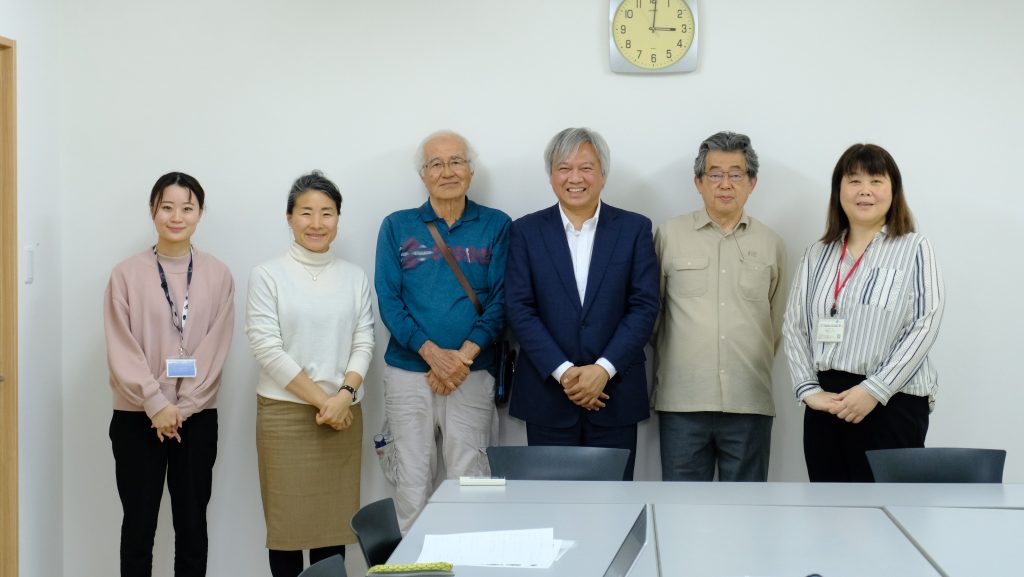
Figure 4: DIHAC study team discussed the inter-generational program for digital inclusion with the Okinawa Medical co-op team and Mr. Ikuo Oshiro (3rd from the left)
Furthermore, subtropical marine climate in Okinawa allows outdoors activities such as putt-golf which is popular among the older folks. DIHAC study team went to the putt-golf course. With a cost of 400 Yan per person for the 2-cornered rounds, it is affordable for everyone and especially the retired. The course became a frequent meeting and chatting place, with bonus of stunning views of blue sky, the surrounding hills, greeneries and sea waves touching the beach.
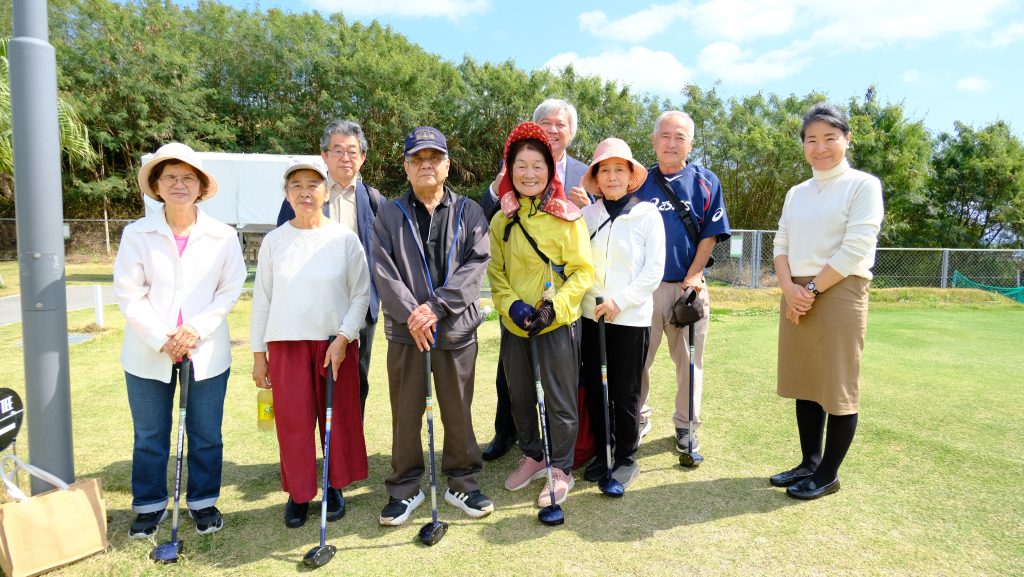
Figure 5 Putt golf players in Okinawa and the DIHAC study team (CC by NC-ND copy righted)
Okinawa experiences frequent rain. Nevertheless, many community members keep doing active exercises in the indoor places. DIHAC study team witnessed energetic exercise groups. There are stadiums, large rooms with nice floor as part of the apartment, which are good for exercise. Municipality office building near city hall offers nice rooms in easy hourly rental system at low cost. Older islanders enjoy doing Qi Gong, Yoga, stretching, or functional training in groups. DIHAC study team learnt leadership, friendship, hospitality and mutual care of group members.
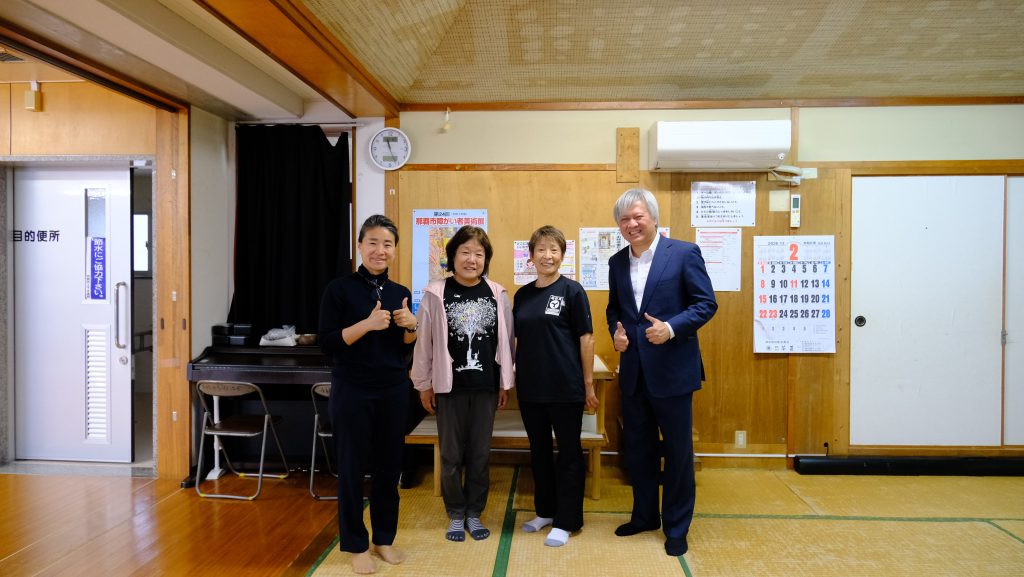
Figure 6 The leaders of community group exercise (2nd and 3rd from the right) and the DIHAC study team
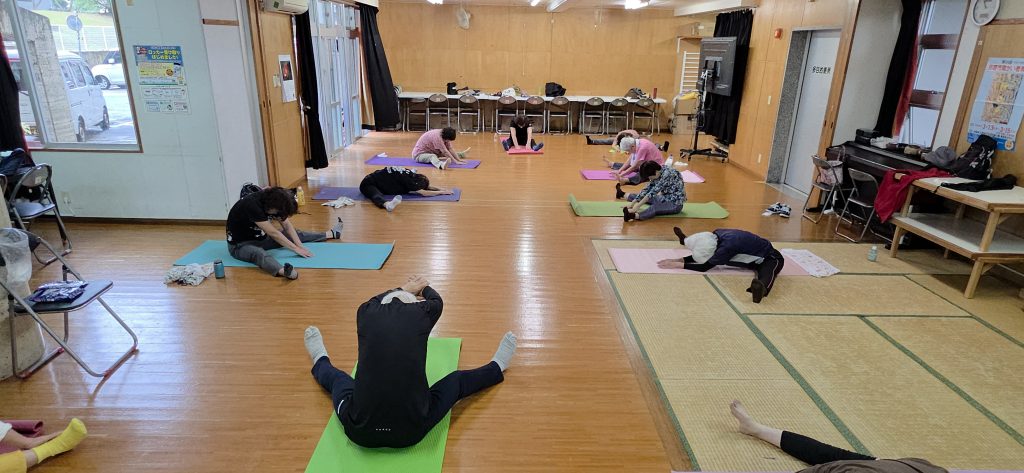
Figure 7: Stretching observed in a group of indoor exercise activity in Okinawa (CC by NC-ND copy righted)
DIHAC study team paid a visit to Niho community Centre in Nishihra city together with Ms Sanae Tsuhako , deputy director of Okinawa medical co-op. The center and group activities began 30 years ago. On that day of fine showers, members came to gather at the center to do square step exercise in the afternoon. A patient trainer is there guiding grannies to walk for an hour in an indoor space-effective exercise. An hour passed very fast while everyone was trying to remember several patterns of right and left feet stepping into squares drawn on a carpet. After exercise they sat around a big table, shared snacks and chat. One of the eight members could use a smart phone actively while other used Garake flip phone or none.
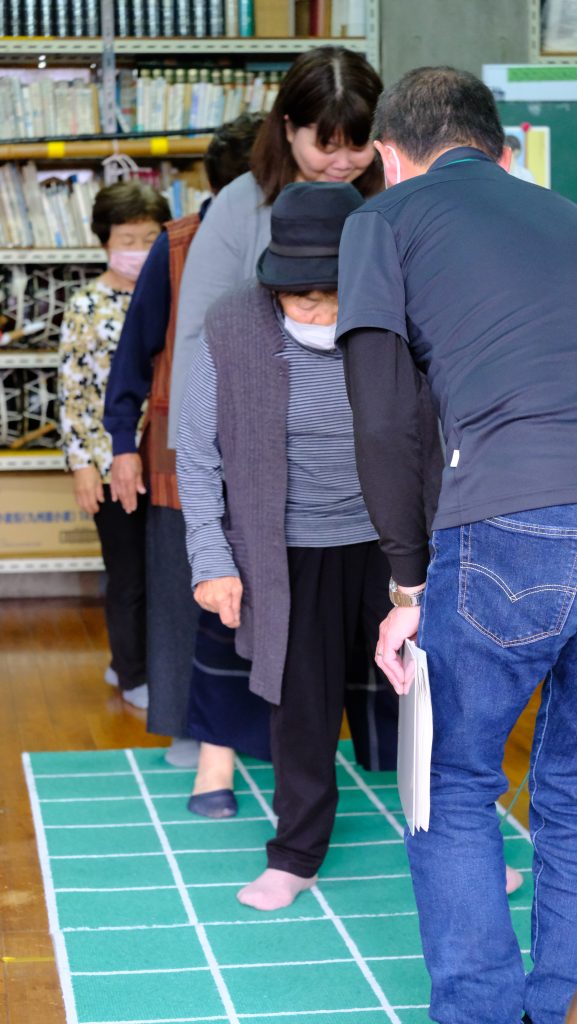
Figure 8: Community residents enjoying square step exercisers in a community center, established 30 years ago in Okinawa with a licensed trainer guiding them
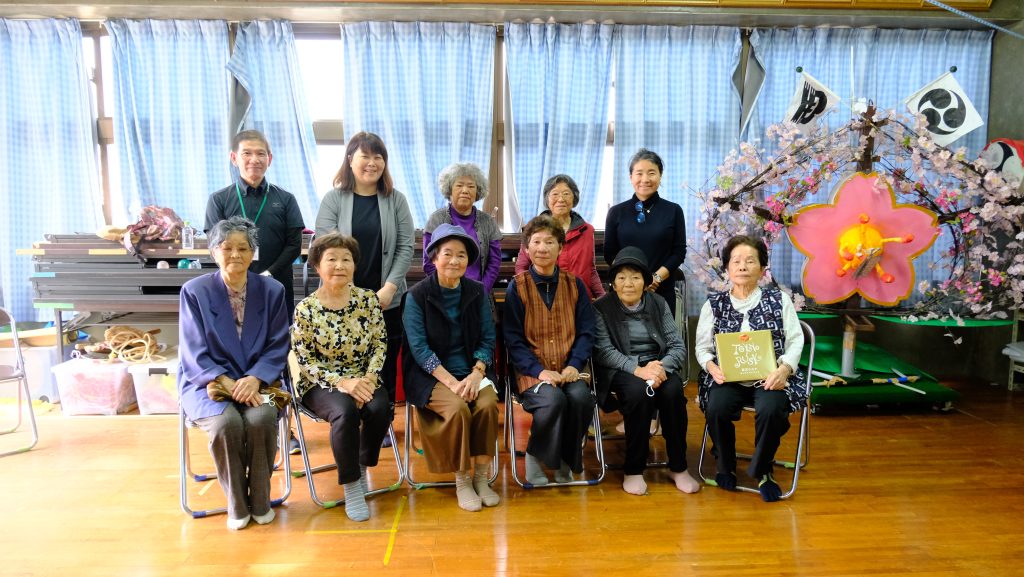
Figure 9: Meeting place for the community and the DIHAC study co-PI, Dr Yuka Koyanagi
The longest life of people in Okinawa is well known to the world. The reasons of those longest healthy lives are utmost interest for researchers and people around the world. It is not a single factor. There exists age-friendly environment, active lifestyle, healthy food, socially woven community ties, supporting families, heart-warming cultural dances and folk music and beyond. Soon DIHAC study team is expecting to see vibrant intergenerational program empowering the older persons to be online in Okinawa prefecture in Japan.