
DIHAC study presentation at Prince Mahidol Award Conference (PMAC) 2026, collaboration with the World Bank Group and ACAI
DIHAC study Highlights Global Digital Ageing Innovations at PMAC 2026
The World Bank Group organized a conference side meeting at the Prince Mahidol Award Conference (PMAC) 2026. The theme of PMAC 2026 is “Navigating Global Demographic Transition through Innovative Policy: An Equity-Centered Approach”, held from 26 to 31 January, 2026 at Centara Grand & Bangkok Convention Centre at CentralWorld in Bangkok, Thailand. Under the session “Digital Technology for Elder Care in Asia”, the conference focused on current state and future prospects of digital technology in care for older adults in the Asian context. The Principal Investigator of the DIHAC study, Associate Professor Myo Nyein Aung, Department of Global Health Research, Juntendo University was invited to deliver keynote speech.
Information about the PMAC conference
The session was opened by chair Dr. Hideki Higashi, Senior Health Economist at the World Bank, based in India. This session aimed to strategically assist service delivery in new era of Apps and Artificial Intelligence (AI).
Professor Myo delivered a keynote speech entitled “Overall Trend in Leveraging Digital Technology for Older Persons’ Care”. He began by outlining global population ageing and evolving digital landscape, setting the foundation for understanding why digital transformation is essential in ageing societies. He explained how leveraging digital technology can promote healthy ageing across the micro-, meso-, and macro-levels, highlighting broad impact of digital inclusion.
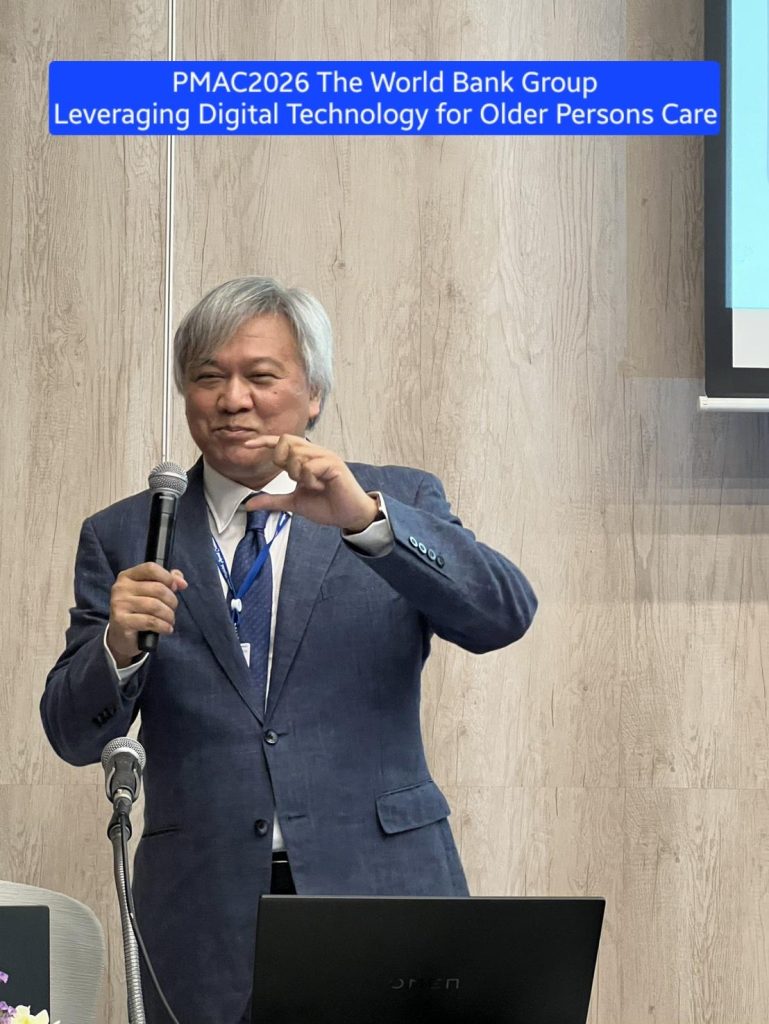
Figure 1: Keynote speech of Professor Myo at Prince Mahidol Award Conference(PMAC) 2026 side meeting organized by the World Bank in Bangkok, Thailand – January 26, 2026
Professor Myo highlighted a powerful message: when older persons actively participate in the digital world, it transforms the prevailing misconception; from viewing them as vulnerable to recognizing them as valuable contributors.
During the keynote, he shared findings of the Digitally Inclusive Healthy Ageing Communities (DIHAC): A cross-cultural study in Japan, Republic of Korea, Singapore and Thailand. An international audience of policy makers, government officials and researchers attended the session.
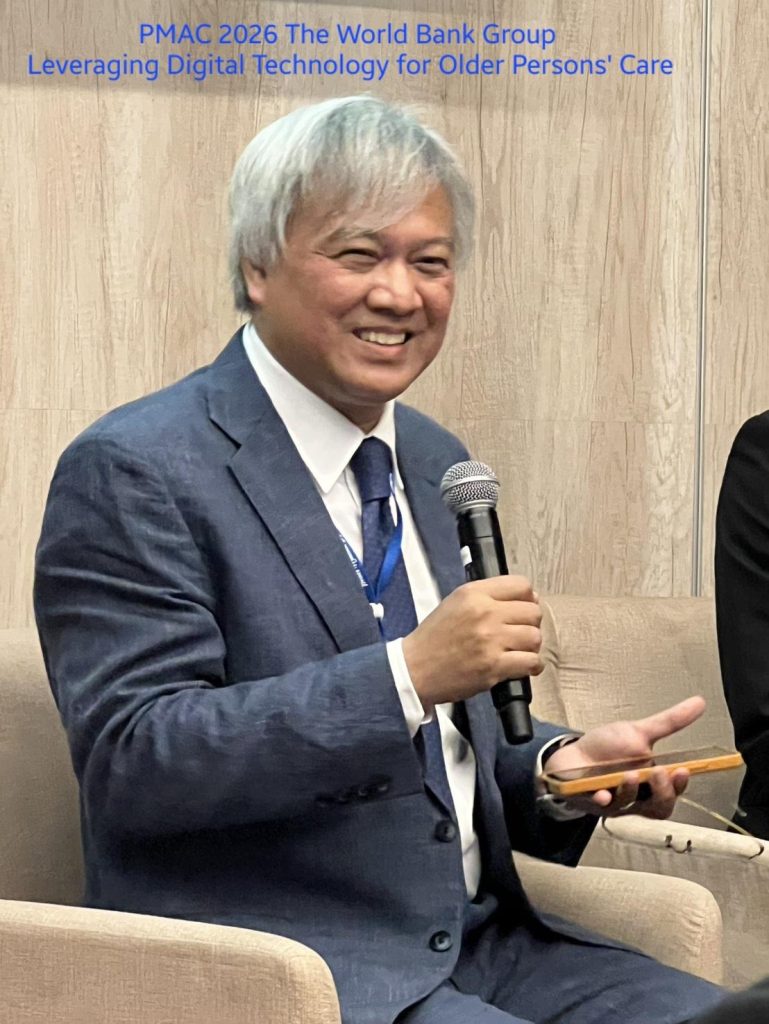
Figure 2: Keynote presentation followed by panel discussion of Professor Myo at Prince Mahidol Award Conference(PMAC) 2026 side meeting organized by the World Bank in Bangkok, Thailand – January 26, 2026
He gave an overview of grey digital divide, and highlighted unique findings in each DIHAC country, including examples such as the Hachi app in Japan, and the nationwide smartphone rollout in Singapore. In his presentation, he displayed the landscape of digital literacy training for older persons across Asia and Pacific.
In closing, he emphasized the growing importance of integrating digital technologies and AI into long-term care systems, and pointed to the future potential of telemedicine, smart homes, and digitally supported care ecosystems.
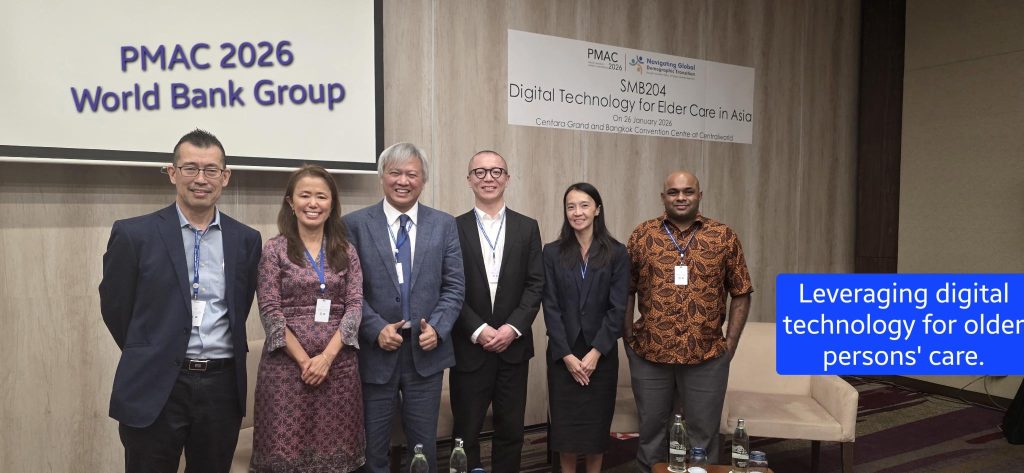
Figure 3: PMAC 2026 side meeting organized by the World Bank. From left to right: Dr. Hideki Higashi (organizer), Professor Myo Nyein Aung (PI of DIHAC study, keynote speech), Mr. Yamanaka Yuta (Zenkoukai Social Welfare Corporation, panel discussant)
On 28 January, he was invited to another PMAC meeting organized by the ASEAN Centre for Active Ageing and Innovation (ACAI) as moderator in finalizing the Regional Action Plan for Active Ageing. He continues to contribute to regional discussions on age friendly environments, digital inclusion and healthy ageing through these engagements.
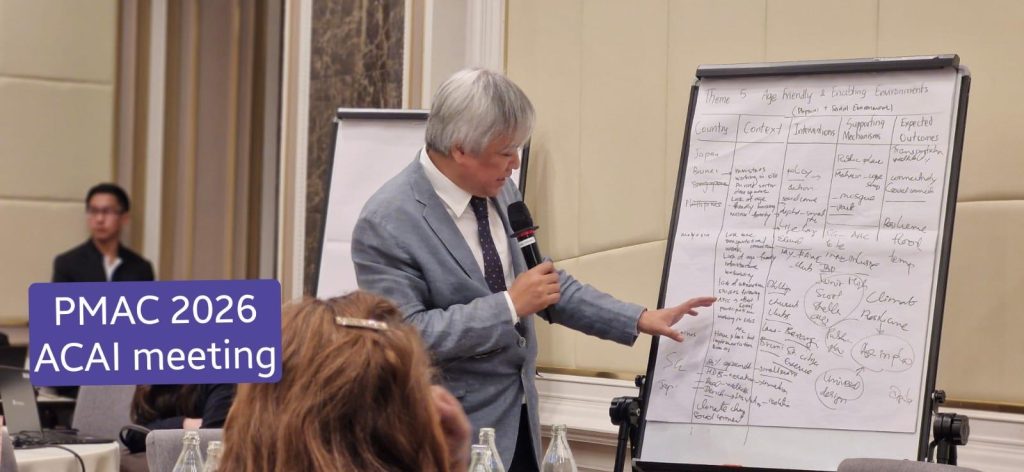
Figure 4: Professor Myo moderating Age Friendly Environment section at Prince Mahidol Award Conference(PMAC) 2026 side meeting organized by ASEAN Centre for Active Ageing and Innovation (ACAI)
In recognition of our recent presentation, we extend our heartfelt thanks to the organizer World Bank Group for the invitation, highlighting DIHAC study’s findings to a wider audience.